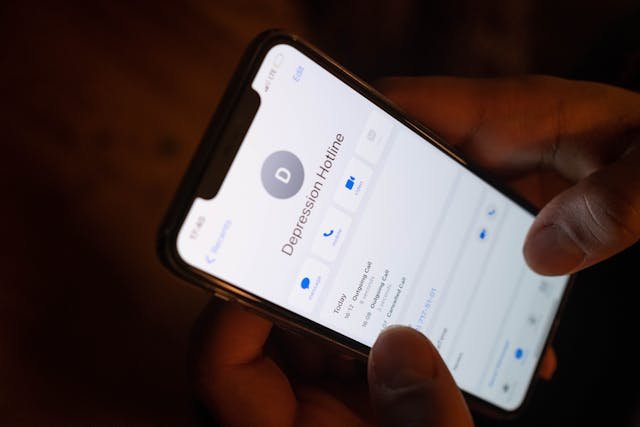
You might wonder: “If mental health is such a problem globally — why does it matter to me (or my community)?” The answer is: because mental‑health issues ripple out to affect — everything.Work & productivity: When large numbers of people underperform or are unable to work due to untreated mental disorders, productivity declines — impacting businesses, economies, services, even innovation.
Social stability & relationships: Mental disorders affect how we live, interact, build families, maintain relationships — if unaddressed, they can lead to social isolation, breakdown of support networks, or increased social problems.
Healthcare & costs: Mental illness rarely occurs in isolation — often intertwined with physical health issues, chronic diseases, or disabilities. Ignoring mental wellness increases burden on health systems, families and governments.
Generational impact: Children and youth growing up in communities with poor mental‑health support — due to trauma, poverty, instability — may carry scars forward, affecting generations.In essence: mental health is a foundation for healthy societies, strong economies, social resilience. If we neglect it, the effects compound over time.What Needs to Change — Global Priorities for Mental Health
The data is clear: documenting the crisis alone isn’t enough. What’s needed now is — action. Several global recommendations emerge from experts and health organisations:
Scale up access to care — invest in training mental‑health professionals, expand community‑based services, integrate mental health into primary care and general health systems.
Prioritize prevention and early intervention — mental‑health promotion, education, early screening and counselling; help reduce burden before disorders worsen.
Address stigma and raise awareness — global dialogues, media, education campaigns to change perception of mental health as taboo or “shameful.” Encouraging openness and empathy must be a priority.
Mobilize funding and policy support — governments and international bodies must commit more resources; mental health should be counted as essential to public health and development.
Adapt services to local contexts and needs — mental‑health strategies should consider cultural, social, economic variation across regions; one‑size‑fits‑all approaches don’t work globally.
What You — As a Reader, Writer, or Citizen — Can DoEven if you’re not a policymaker or health professional, you can still make a difference:
Raise awareness — write articles or blog posts about mental health, share facts, break the silence, challenge stigma.
Support open conversation — encourage people to speak about mental health openly, with empathy and understanding.
Promote self‑care and community care — mental wellness comes from balanced lifestyle, social support, mental hygiene.
Advocate for better mental‑health policies — at community or national levels, support organizations working for mental-health care and rights.
Encourage research & data — help support or share data on mental health in your community / region; visibility helps push for change.
Conclusion: Mental Health Is Not Optional — It’s Universal, Urgent, OngoingThe global scale of mental‑health challenges means they can’t be ignored. With more than a billion people affected worldwide, and the human, economic, social costs growing each year, mental health must be treated as a core public‑health priority — not a side issue.As individuals, communities, societies, and global citizens — understanding, caring, advocating and acting for mental wellness is not just a choice. It’s a necessity.If you like — I can also prepare 5–10 compelling statistics & data points (with sources) about global mental health — you can insert them as a “fact box” in your article for extra impact.
You might wonder: “If mental health is such a problem globally — why does it matter to me (or my community)?” The answer is: because mental‑health issues ripple out to affect — everything.Work & productivity: When large numbers of people underperform or are unable to work due to untreated mental disorders, productivity declines — impacting businesses, economies, services, even innovation.
Social stability & relationships: Mental disorders affect how we live, interact, build families, maintain relationships — if unaddressed, they can lead to social isolation, breakdown of support networks, or increased social problems.
Healthcare & costs: Mental illness rarely occurs in isolation — often intertwined with physical health issues, chronic diseases, or disabilities. Ignoring mental wellness increases burden on health systems, families and governments.
Generational impact: Children and youth growing up in communities with poor mental‑health support — due to trauma, poverty, instability — may carry scars forward, affecting generations.In essence: mental health is a foundation for healthy societies, strong economies, social resilience. If we neglect it, the effects compound over time.What Needs to Change — Global Priorities for Mental Health
The data is clear: documenting the crisis alone isn’t enough. What’s needed now is — action. Several global recommendations emerge from experts and health organisations:
Scale up access to care — invest in training mental‑health professionals, expand community‑based services, integrate mental health into primary care and general health systems.
Prioritize prevention and early intervention — mental‑health promotion, education, early screening and counselling; help reduce burden before disorders worsen.
Address stigma and raise awareness — global dialogues, media, education campaigns to change perception of mental health as taboo or “shameful.” Encouraging openness and empathy must be a priority.
Mobilize funding and policy support — governments and international bodies must commit more resources; mental health should be counted as essential to public health and development.
Adapt services to local contexts and needs — mental‑health strategies should consider cultural, social, economic variation across regions; one‑size‑fits‑all approaches don’t work globally.
What You — As a Reader, Writer, or Citizen — Can DoEven if you’re not a policymaker or health professional, you can still make a difference:
Raise awareness — write articles or blog posts about mental health, share facts, break the silence, challenge stigma.
Support open conversation — encourage people to speak about mental health openly, with empathy and understanding.
Promote self‑care and community care — mental wellness comes from balanced lifestyle, social support, mental hygiene.
Advocate for better mental‑health policies — at community or national levels, support organizations working for mental-health care and rights.
Encourage research & data — help support or share data on mental health in your community / region; visibility helps push for change.
Conclusion: Mental Health Is Not Optional — It’s Universal, Urgent, OngoingThe global scale of mental‑health challenges means they can’t be ignored. With more than a billion people affected worldwide, and the human, economic, social costs growing each year, mental health must be treated as a core public‑health priority — not a side issue.As individuals, communities, societies, and global citizens — understanding, caring, advocating and acting for mental wellness is not just a choice. It’s a necessity.If you like — I can also prepare 5–10 compelling statistics & data points (with sources) about global mental health — you can insert them as a “fact box” in your article for extra impact.